UV Laser Marking for Plastic Enclosures: Precision, Durability, and Versatility Redefined
Nov 06 , 2025
UV Laser Marking for Plastic Enclosures: Precision, Durability, and Versatility Redefined
In the era of consumer electronics, automotive components, and industrial devices, plastic enclosures serve as both protective shells and brand ambassadors—demanding markings that are crisp, long-lasting, and adaptable to diverse design needs. Ultraviolet (UV) lasers have emerged as the game-changing solution for plastic enclosure marking, combining unmatched precision with minimal material impact to elevate product quality and functionality.
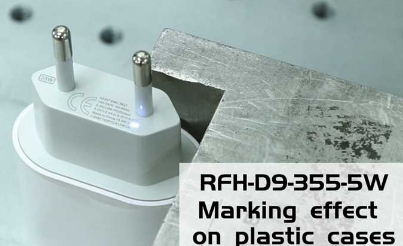
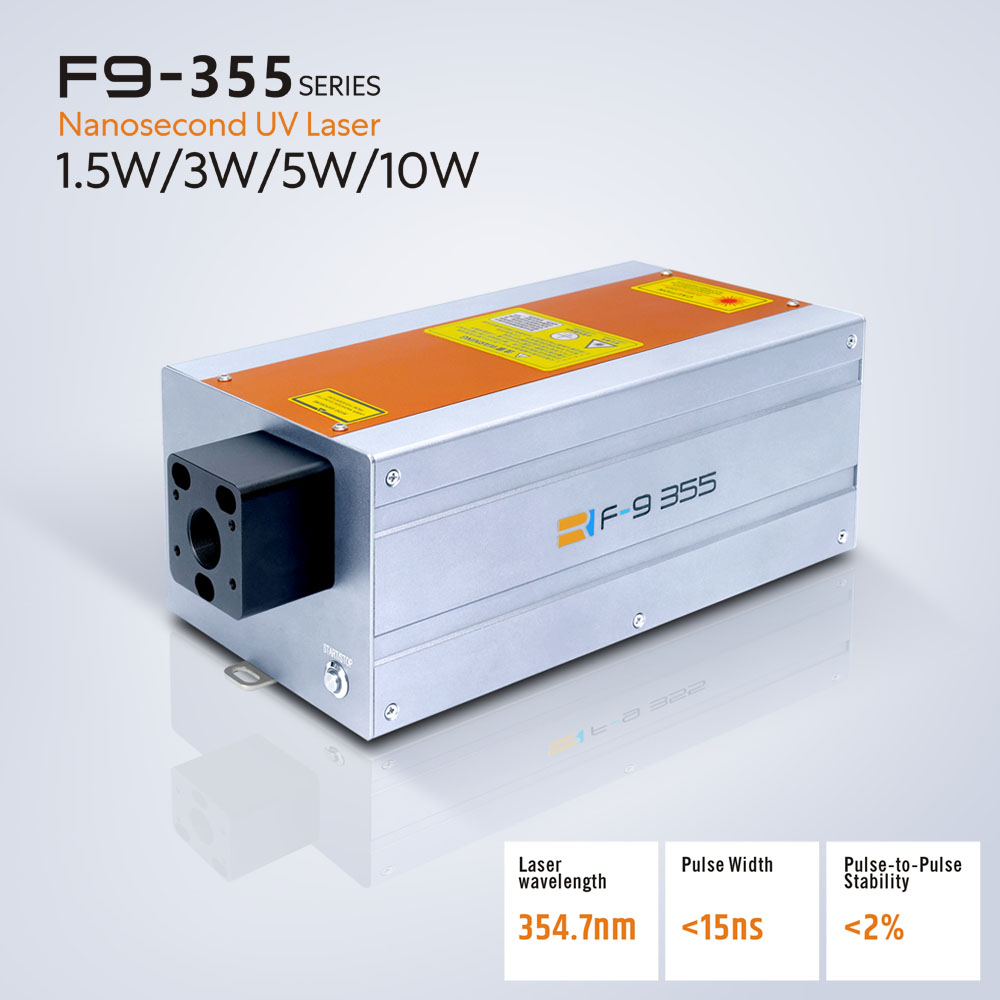
UV lasers operate at shorter wavelengths (typically 355nm), enabling them to interact with plastic materials through a "cold marking" process. Unlike traditional methods such as inkjet printing or mechanical engraving, UV laser marking avoids excessive heat generation, preventing material deformation, discoloration, or damage to delicate internal components. This makes it ideal for sensitive plastic substrates—from ABS and polycarbonate (PC) to polyethylene (PE) and polypropylene (PP)—commonly used in smartphone cases, medical device housings, automotive control panels, and IoT device enclosures.
The core advantage of UV laser marking lies in its precision: it can create micro-scale text, logos, barcodes, QR codes, and serial numbers with edge sharpness measured in micrometers. This level of detail ensures compliance with industry regulations (such as traceability requirements for medical or automotive parts) while enhancing brand recognition through clean, professional branding. Whether marking tiny serial numbers on compact electronic enclosures or intricate logos on curved plastic surfaces, UV lasers deliver consistent results across high-volume production runs, with no need for masks, inks, or consumables that add cost and waste.
Durability is another key benefit. UV laser markings penetrate the plastic surface slightly, forming permanent, scratch-resistant identifiers that withstand harsh environments—including exposure to chemicals, UV radiation, and temperature fluctuations. Unlike ink-based markings that fade or peel over time, laser-etched logos and data remain legible throughout the product’s lifecycle, supporting anti-counterfeiting efforts and simplifying post-sales tracking.
Versatility further solidifies UV lasers as the top choice for plastic enclosure applications. They adapt seamlessly to various plastic types, including colored, translucent, or filled plastics, and can produce contrast-rich markings without compromising the material’s structural integrity. Whether creating light markings on dark plastics or dark markings on light substrates, UV lasers offer adjustable power and speed settings to achieve the desired contrast and depth. Additionally, their non-contact nature eliminates mechanical stress on the plastic, ensuring the enclosure’s protective properties remain intact.
From consumer electronics seeking sleek, unobtrusive branding to industrial equipment requiring durable traceability codes, UV laser marking meets the diverse demands of plastic enclosure manufacturing. It streamlines production workflows, reduces operational costs, and delivers markings that align with the high-quality standards of modern industries. As plastic enclosures continue to evolve in design and functionality, UV lasers stand as a reliable, future-proof solution—marrying precision, durability, and versatility to redefine what’s possible in plastic marking technology.